Physical Therapy in Palm Desert
A full hour, one on one, with the same Doctor of Physical Therapy from your evaluation through your last visit.
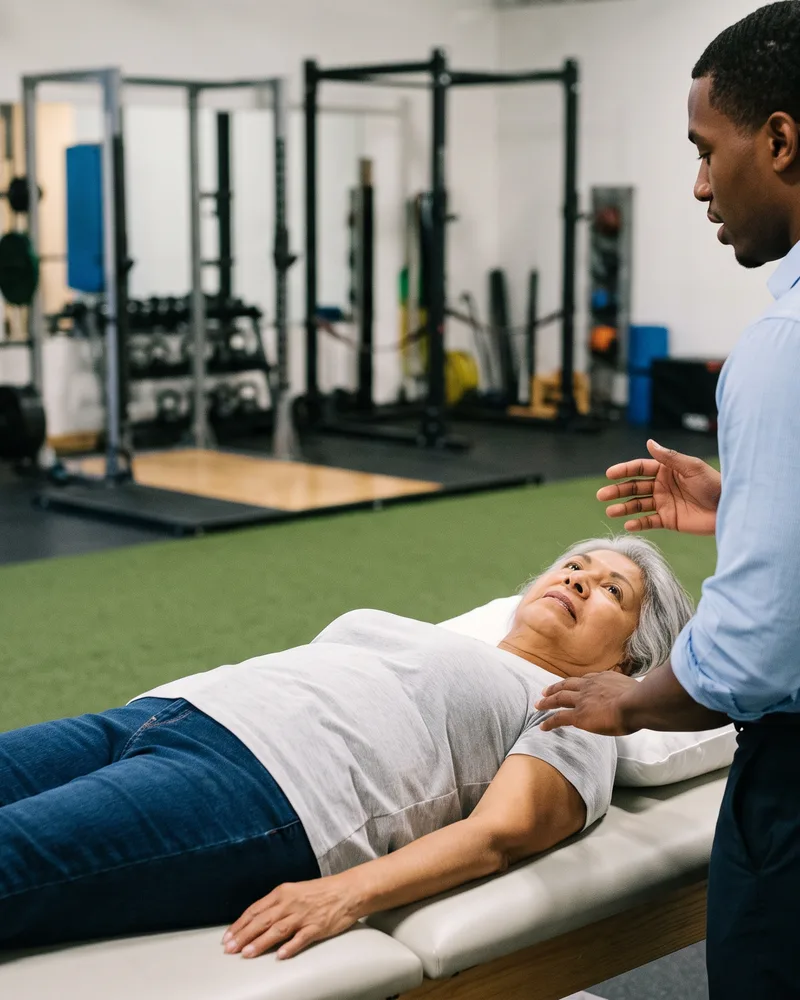
What is physical therapy in Palm Desert?
You were told to rest it, ice it, and see how it goes. Maybe you were handed a photocopied sheet of exercises and sent home. Neither one is an assessment, and neither one tells you why the pain keeps coming back. Physical therapy is the work of finding that reason. Dr. Sarah Hare, PT, DPT, PCES, starts with a doctor-level evaluation: how you stand, how you load a joint, where movement stops and what stops it. From there the plan has three parts that run together. Hands-on treatment to free up what is stiff or guarded. Progressive loading, which means adding range, weight and speed on purpose so the tissue gets stronger instead of only calmer. And a short home program you will actually do. California is a direct access state, so you can book that evaluation yourself, without a physician referral.
What makes this different is not a machine or a technique. It is the structure. Your visit is a full hour, one on one, and the person who evaluates you is the person who treats you every visit through discharge. No aides counting your reps, no handoff to whoever is free, no repeating your history from the beginning. Progress is measured out loud at each visit, so you are never guessing whether this is working.
Who it's for.
Physical therapy is not only for the badly injured. If pain, stiffness, or a body that no longer does what it used to is shaping your week, an evaluation is worth an hour. Three situations bring most people here.
Pain that has not resolved on its own
You gave it time. You rested, you stretched whatever the internet told you to stretch, and weeks later it is still there when you stand up or reach overhead. Pain that outlasts normal healing is usually being fed by something mechanical: a joint that stopped moving, a muscle that stopped firing on time, a pattern your body adopted to protect you and then kept. The evaluation finds which one it is, and your plan is built from that answer instead of a guess.
A body that changed after surgery, pregnancy, or injury
Something happened, and the body you have now is not the one you had before it. Scar tissue. Months of protecting one side. A core that will not switch on. A knee that no longer trusts stairs. None of that is permanent, and none of it is your fault. Dr. Hare works with tissue that has been through something, restoring range first and then rebuilding capacity, so you stop planning your day around what your body might refuse to do.
Hoping to avoid or delay surgery
Surgery has been mentioned, and you would rather see what your own tissue can do first. Plenty of backs, knees and shoulders move and feel better once the mechanics around them change, and a fair trial of skilled physical therapy is a reasonable thing to want before you sign anything. If surgery does turn out to be the right call, you go into it stronger, which is its own advantage. Either way you get an honest read, not a sales pitch.
What to expect in a session.
Every visit is a full hour with Dr. Hare, and that hour has a shape. No shared room, no punch card, no waiting on someone to come back and check your form. Here is how it runs.
The evaluation
The first visit is mostly listening and testing. You explain what hurts, what you have already tried, and what you want back. Then Dr. Hare screens how you actually move: strength, joint range, balance, how you load the painful side, and what happens when you attempt the thing you have been avoiding. You leave with a working explanation of your problem in plain language and the first version of your plan.
Hands-on treatment
Most sessions include manual work: joint mobilization to restore range, soft tissue work to quiet a guarded muscle, and where it is relevant, visceral mobility techniques around old abdominal scars. Every technique has a stated reason, and you hear that reason before hands go anywhere. Hands-on work is not the whole treatment though. It opens a window, and the rest of the hour is spent using it.
Loading, then a plan you can carry
Once movement is available, you use it under load. That is the part that lasts: graded strength work, then speed and direction as you tolerate more, aimed at the specific thing you want back. You leave with a short home program, usually two or three movements rather than a printout of twelve, and the same tests get repeated later so the plan moves when you do.
Wear something you can move in, and give yourself about ten minutes on the first visit for paperwork. Forms are sent to you by secure link once you book, so there is nothing to download or print. If your insurance plan still wants a referral on file, we find that out while verifying your benefits and tell you before the visit rather than after.
I was so impressed by my physical therapy experience with Sarah!
Where to go next.
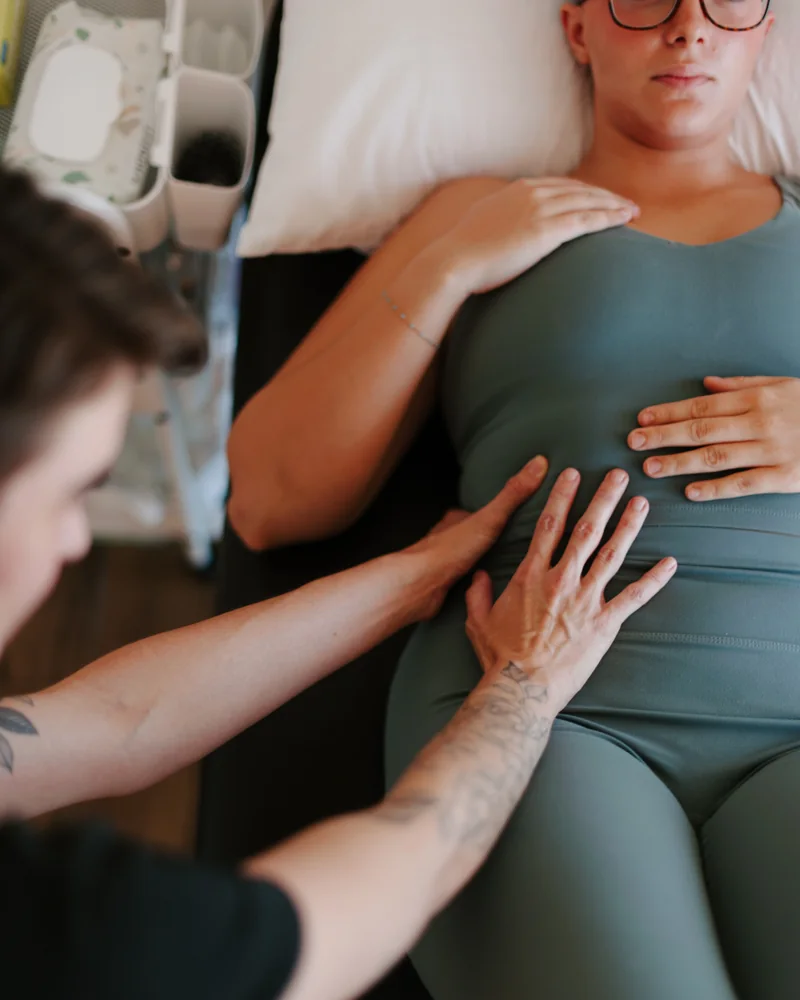
Orthopedic Therapy
Joints, tendons, and the mechanics around them. Hands-on assessment, then loading that builds real capacity.

Manual Therapy
Skilled hands-on techniques that free stiff joints and quiet guarded tissue so movement stops hurting.
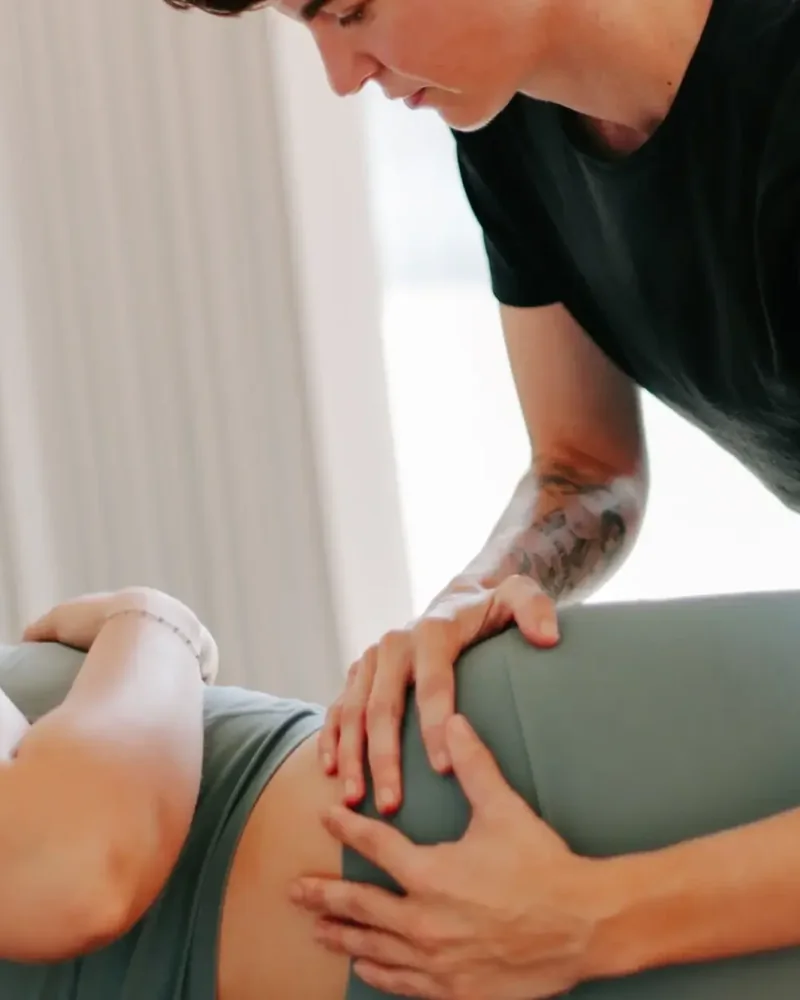
Back Pain & Sciatica
The most common reason people call us. We find the driver, whether it is the disc, the hip, or the pelvic floor.