Cupping Therapy in Palm Desert
Cups lift and separate restricted tissue instead of pressing into it. What that buys you is a window of less tightness and better tolerance to movement. It is one part of a plan, never the plan itself.
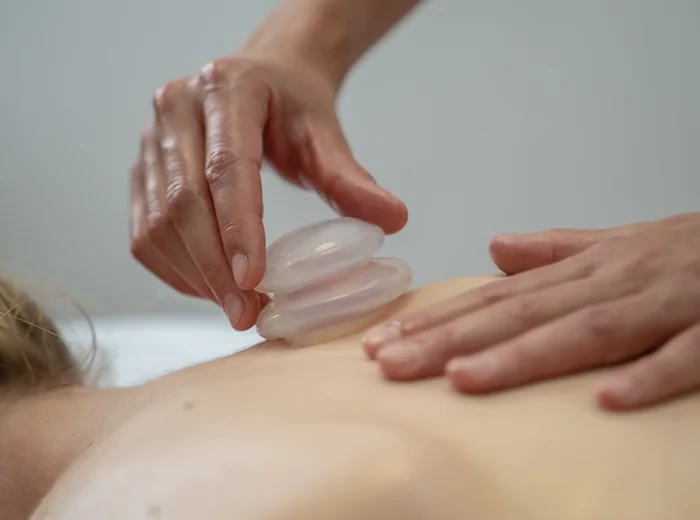
What does cupping in Palm Desert actually do?
If you have seen the circular marks on an athlete's back and assumed it is theater, that is a fair place to start. Here is the plain version. A cup is placed on the skin and air is drawn out of it, so the cup lifts the tissue underneath instead of pressing into it. That is the real difference from most hands-on work. Compression pushes down through skin, fat, fascia and muscle. Decompression pulls those layers slightly apart and creates a bit of space and glide between them. In a spot that feels welded down, like the area around a shoulder blade or a calf tight since spring, that pull is sometimes tolerated when direct pressure is not. The effect is modest and specific: for a while afterward the area is less tight and moves further with less protest. Dr. Hare uses that window on purpose, to make the next exercise possible.
What cupping does not do deserves saying just as plainly. It does not draw impurities out of your body, it does not mechanically break up scar tissue, and it does not fix the reason the tissue got restricted in the first place. The research is limited and mostly short term. It supports a temporary reduction in pain and tightness, which is the claim made here and nothing beyond it. The marks are the other common question. They are not bruises from an impact, and not a score for how bad you are. Suction draws blood into the surface tissue, that pooling colors the skin, and it fades over the following days on its own. If the marks matter to you before a wedding or a photo, say so and Dr. Hare will use lighter suction or skip it. Nothing in the plan depends on it.
Who it's for.
Cupping is a small tool with a narrow job, offered in a few specific situations rather than to everyone. In all of them it is paired with movement in the same visit.
Tissue too irritable for direct pressure
Some areas are too sensitive or too guarded to be pressed into, and the harder anyone works on them the more they tighten. A broad, lifting pull is often tolerated where a thumb is not. That makes cupping useful early with a flared-up upper back or an irritable hip, when the goal is getting the area to accept being touched and moved again rather than making a dramatic change in one visit.
Stiffness between training sessions
You hike, run, ride or lift regularly and the same region feels heavy and stiff for days afterward. Cupping does not speed up how tissue heals, and it is no substitute for sleep, food and a sensible training load. What it can do is take enough edge off the tightness that you get through the session that actually matters: the strength work and the graded return to mileage. Used that way, as a door opener, it earns its minutes.
Restriction around an older scar
After abdominal or pelvic surgery, or in an area that has been sore for years, the layers near a scar can stop sliding on each other. Cupping is one gentle way to introduce movement between those layers, used alongside hands-on scar tissue mobilization and breathing that gets the area moving from the inside. Not every scar is ready for it, and fragile, numb, painful or recently healed skin is a reason to wait.
What to expect in a session.
Cupping is a few minutes inside a full hour with Dr. Hare, in the Palm Desert clinic. California is a direct access state, so no referral is needed to book, and your benefits are verified first, with a self-pay rate if your plan is a poor fit.
It gets decided, not defaulted
Cupping is never the reason for the visit. Dr. Hare evaluates you first, and if a restricted area looks likely to respond, they say so and explain why. You are told where the cups will go and what the pull will feel like before anything touches you. If you would rather skip it, hands-on work reaches the same window. Consent comes before technique, every time.
The cups go on
Cups are placed on lotioned skin and the air is drawn out, sometimes held over one stubborn spot, sometimes glided along the tissue. The sensation is a strong, dull pull, more warm than sharp, and it settles quickly. It should not be painful. Suction is adjustable and gets dialed down as soon as you say the word. The cups come off after a few minutes, not for the whole visit.
Then you move
The window is short, so it gets used immediately. You get up and load the area: the range that was limited, the position that was uncomfortable, the movement your day requires. That is the part that lasts. Dr. Hare rechecks whatever you could not do at the start of the hour, so you both find out whether the cupping earned its place or whether the time is better spent elsewhere.
Tell Dr. Hare if you take a blood thinner or bruise easily, if your skin is fragile, broken or still healing, or if you have a skin condition such as eczema, psoriasis or an active rash in the area. Cupping is not used over broken skin. If you have a bleeding or clotting disorder, reduced sensation, or a vascular condition, that is a conversation before anything is applied, and pregnancy is a discussion rather than an automatic no. Cupping is never sold on its own here, and there is no cupping-only visit. It is always paired with movement inside a plan you can see.
Sarah listens well and inspires confidence. She takes great care in preparing the PT exercises with precise instructions. She clearly cares about her patient's health.
Where to go next.
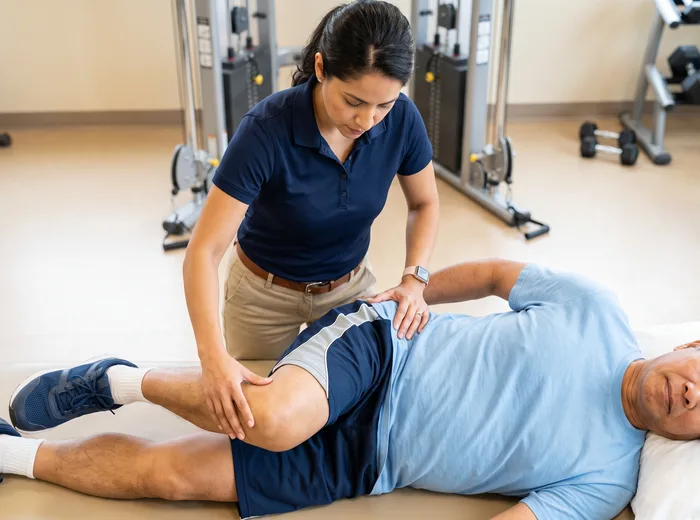
Manual Therapy
Skilled hands-on techniques that free stiff joints and quiet guarded tissue so movement stops hurting.
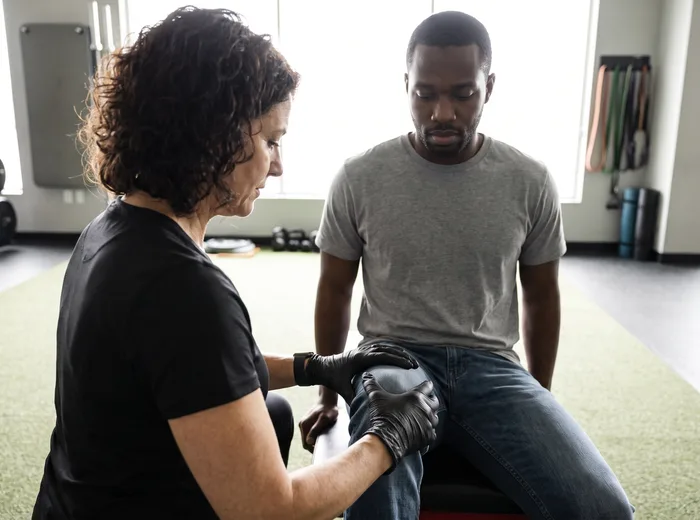
Back Pain & Sciatica
The most common reason people call us. We find the driver, whether it is the disc, the hip, or the pelvic floor.
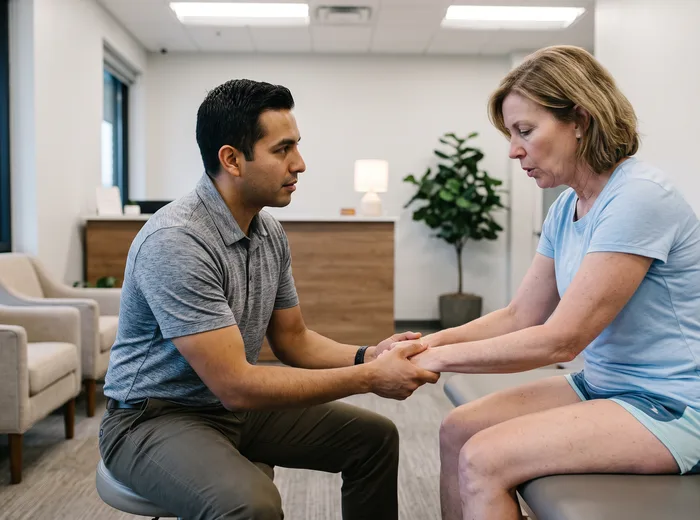
Joint Pain
Widespread aching and stiffness that moves around. We restore the mechanics before we load the strength.