Hip Replacement Rehab in Palm Desert
The strength you take into surgery is the strength you wake up with. Prehab before, progressive rehab after, with the same Doctor of Physical Therapy on both sides of the operation.
What causes a slow hip replacement recovery?
Nobody has a hip replaced because the hip was fine. By the time you have a surgery date, you have usually spent a year or two walking differently, standing differently, and quietly using one leg more than the other. Your surgeon replaces the joint. Your surgeon does not replace the habits the old joint built, and those habits are most of what makes the months afterward slower than people expect. Physical therapy works on that part, and some of it can be worked on before you go in.
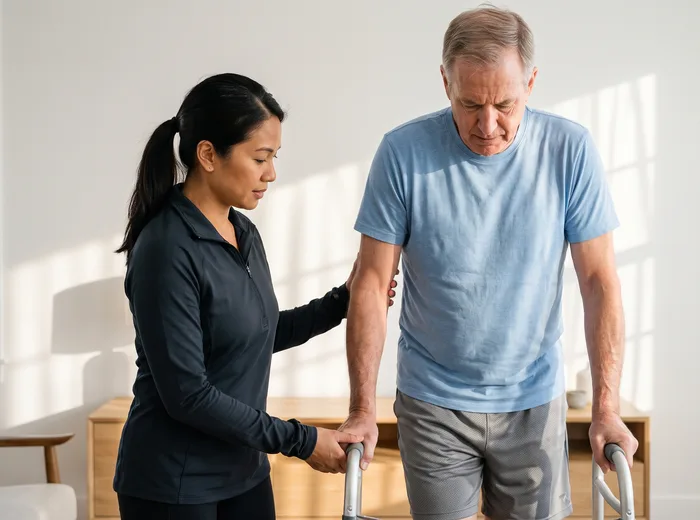
A painful hip gets used less for months or years before anyone replaces it. The glute on that side goes quiet, the thigh loses bulk, and the other leg takes over without being asked. None of that reverses in the operating room. You wake up with the strength you brought in, minus what the surgery itself costs you, and then you are expected to stand up on it. That is the argument for prehab in one sentence.
A limp is a reasonable solution to pain. It just outlives the pain. The shortened step, the lean through the trunk, the turned-out foot, the way you push off harder on the good side: all of it is learned, and all of it is still there when the joint is new. Left alone, it loads the new hip unevenly and eventually hands you a sore knee or a sore low back instead. Gait retraining is how it gets unlearned.
An incision, soft tissue that was cut and repaired, and a joint healing around new hardware all limit what the hip will do early on. Swelling itself dampens muscle activation, so the leg can feel disconnected rather than simply weak. Early rehab stays inside your surgeon's precautions, moves what is safe to move, and manages swelling so activation returns sooner.
Most people leave the hospital with a list of things to avoid and very little sense of what they are permitted to do. So they do less than they safely could, and the first weeks drift. Knowing your precautions precisely, knowing when they lift, and knowing exactly which movements are yours to practice today is what turns cautious into progressive. That clarity is part of the treatment.
Hip pain shrinks your world before surgery. Balance, ankle strength, trunk control and general conditioning all slide, and the pelvic floor often gets caught up in it too, because months of guarding a hip changes how you brace and how you breathe. Rehab that only looks at the hip leaves those gaps exactly where they were, and they are the ones that later show up as fatigue, unsteadiness, or leaking.
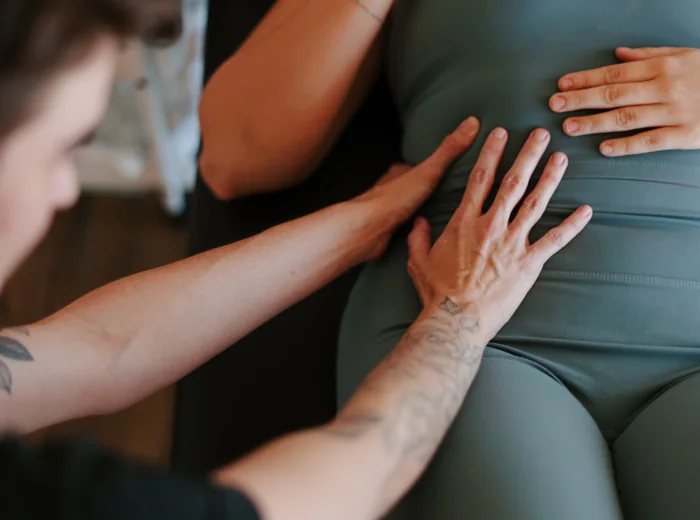
How physical therapy in Palm Desert helps.
Prehab has one job: send you into surgery with more strength and more motion than you have right now, and with the exercises you will be asked for afterward already in your hands. Dr. Sarah Hare, PT, DPT, PCES, tests both legs, finds what the painful hip has been avoiding, and loads the glutes, quads and trunk within what the joint tolerates. You practice getting in and out of bed, on and off a chair, and up a step the way you will need to do it after surgery, so none of it is new on the day it counts. After surgery, care follows your surgeon's protocol and precautions, and you will be told plainly which movements are off the table and when that changes. Early sessions are about swelling, muscle activation, protected range and walking: short, frequent, well controlled. From there it is progressive. Weight through the operated leg, then single-leg control, then stairs, then distance, with gait retraining running underneath all of it, because a limp that survives rehab becomes a permanent tax on your knee and your back. The target is not a number of weeks and nobody here will sell you one. The target is walking the Valley again: the neighborhood loop before it heats up, a full round of golf, keeping up with the grandkids. Progress is measured out loud at every visit, and if it stalls the plan changes rather than repeats.
What to expect from your recovery.
Prehab: strength and rehearsal before your date
If we have you before surgery, that time gets used. Dr. Hare measures both legs, loads what the painful hip has been avoiding, and teaches you the post-op movements while they are still easy to learn. You go in knowing your precautions, your first exercises, and how you are going to get out of bed on day one.
The first weeks: swelling, activation, walking
Care after surgery follows your surgeon's protocol. We manage swelling, wake the muscles back up, protect the range you have been told to protect, and get you walking well rather than walking far.
Progressive loading and a gait that holds
As clearance allows, we add weight through the operated leg, then single-leg control, then stairs and distance, with gait retraining underneath all of it. Discharge is not a date on a calendar. It is when you walk without a limp, load the hip without thinking about it, and know how to keep progressing on your own.
As a person with numerous overlapping issues from emergency internal surgeries to acute nagging sports injuries, Ive been a customer at numerous PT offices around the country over the last 30 years.
Pain rarely travels alone.
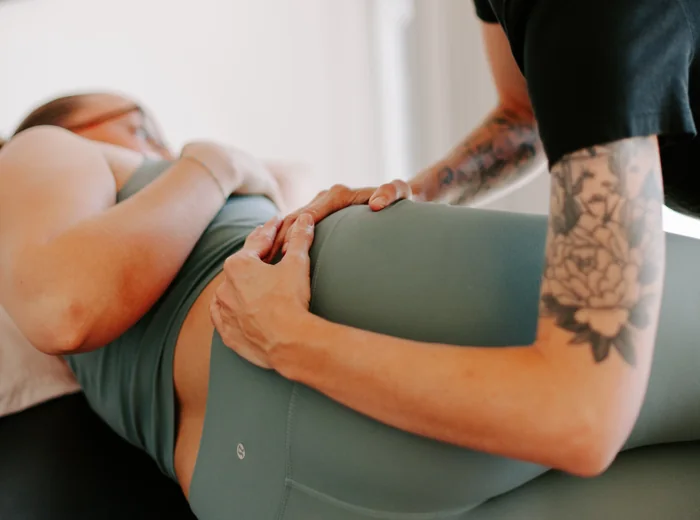
Pre & Post Surgical
Go into surgery stronger and come out with a plan. Prehab and post-op rehab under one roof.
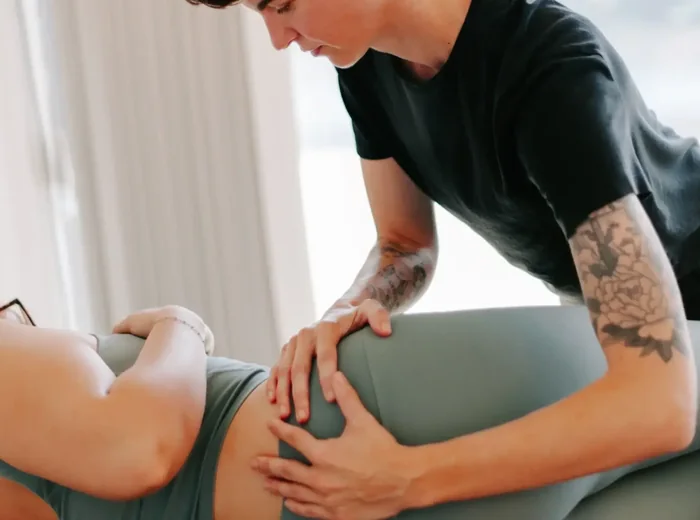
Hip & Knee Pain
Weight-bearing joints rarely fail alone. We treat the joint and the mechanics feeding it.
Joint Pain
Widespread aching and stiffness that moves around. We restore the mechanics before we load the strength.